
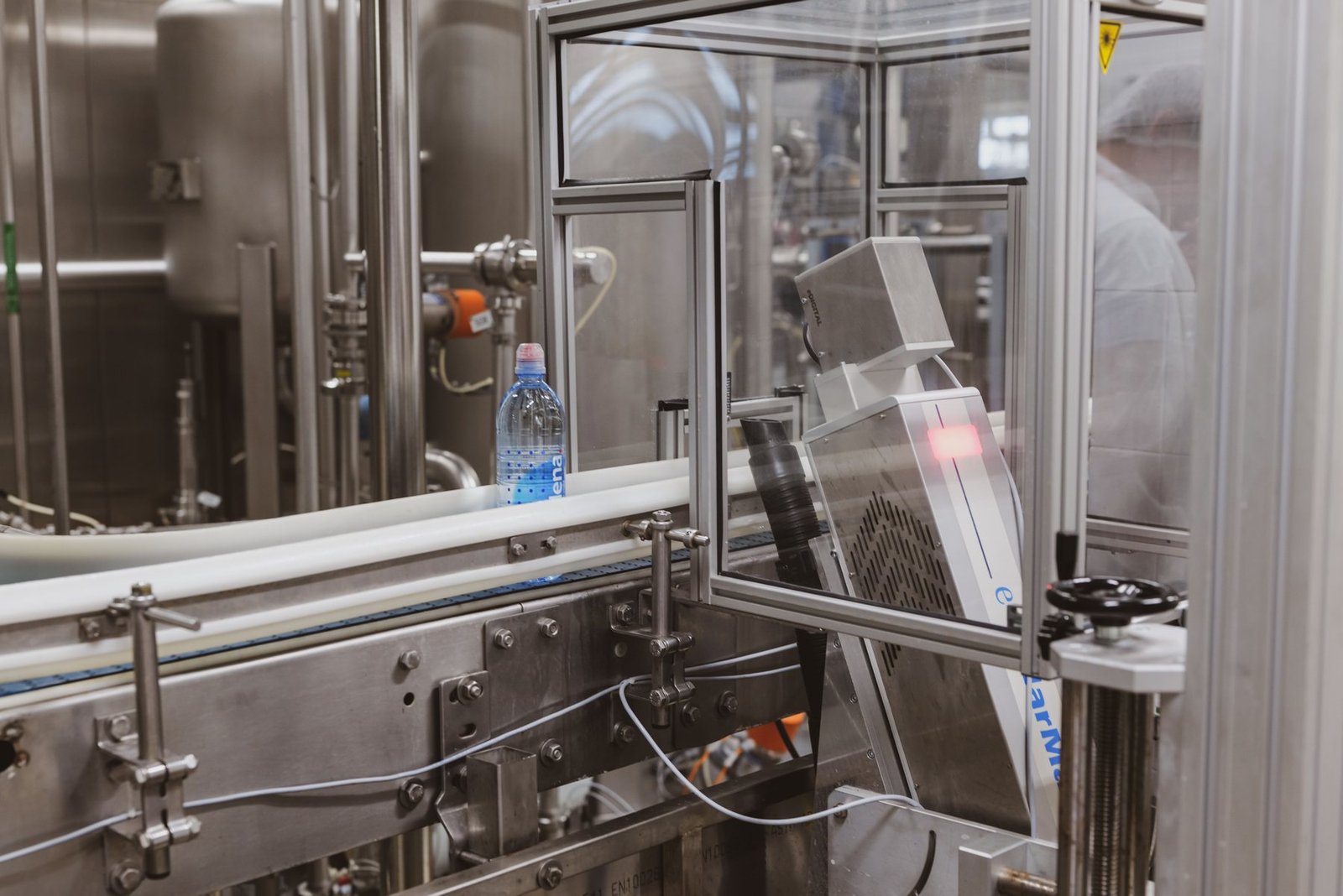
Application-oriented belt technology
PVC belts are suitable for general conveying and intralogistics where stable tracking, wear resistance and low running energy are important. Surface and hardness can be selected to match the conveyed product.
Technical overview
| Material | PVC-coated fabric |
|---|---|
| Typical duty | Light |
| Properties | Wear resistant / antistatic options |
| Fabrication | Profiles / cleats / guides |
Typical applications
Construction
PVC belts typically consist of a polyester fabric carcass with a PVC top and/or bottom cover. The coating can be selected in different hardness levels and surface patterns, and the belt can be fabricated with guides, cleats and profiles.
Operating Properties
They are well suited to light conveying where dimensional stability, easy fabrication and economic operation matter. Common uses include parcels, warehouses, airports, light manufacturing and packaging.
Selection Criteria
Consider top-surface friction, slider-bed or roller support, pulley size, required tracking behavior, product marking sensitivity and any antistatic or flame-retardant requirement.
Application engineering matters
Final belt selection should always be verified against the real conveyor geometry, tension calculation, material characteristics, duty cycle and environmental exposure.