Application-oriented belt technology
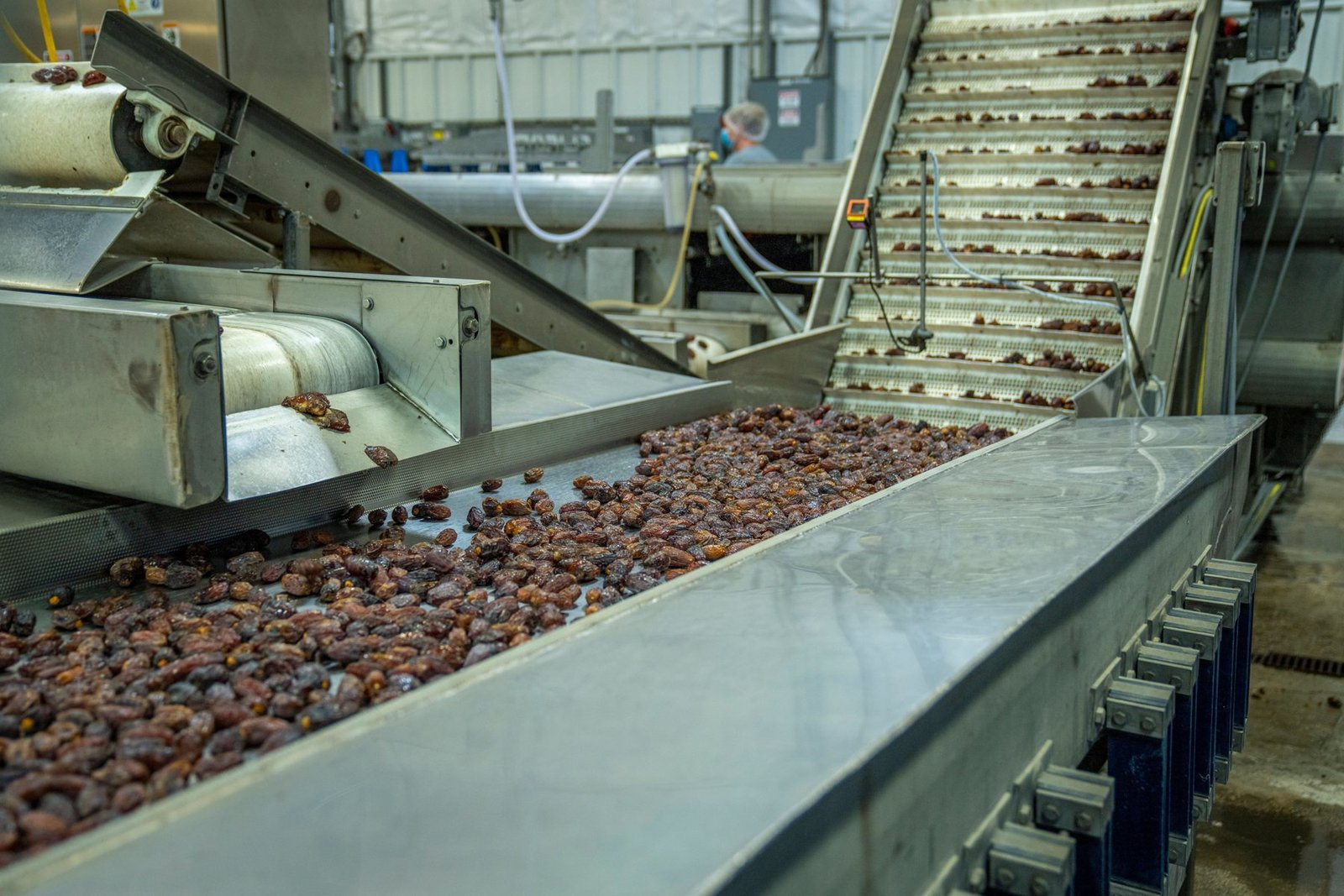
Where standard flat belts are not enough, specialty belt systems can use profiles, cleats, corrugated sidewalls or enclosed geometries to control material and conveyor footprint.
Technical overview
| Designs | Cleated / sidewall / enclosed |
|---|---|
| Typical duty | Application-specific |
| Benefit | Controlled material flow |
| Engineering | Project-specific |
Typical applications
Construction
Specialty belt systems modify the conventional flat-belt geometry with profiles, cleats, corrugated sidewalls, enclosed cross-sections or other application-specific features. These designs allow material to be controlled at steeper angles or within restricted plant layouts.
Operating Properties
They can reduce conveyor footprint, improve material containment and enable steep or enclosed conveying. Their design must be matched closely to material behavior, loading method and transfer-point geometry.
Selection Criteria
Define incline angle, material bulk density, lump size, moisture, required capacity, sidewall or cleat height, transfer geometry and cleaning requirements before specifying the final belt concept.
Application engineering matters
Final belt selection should always be verified against the real conveyor geometry, tension calculation, material characteristics, duty cycle and environmental exposure.